
In its judgment 301/2026 of March 11 (ECLI:ES:TS:2026:1164), the Supreme Court reasoned that Regulation (EC) No 1049/2011 on public access to European Parliament, Council and Commission documents does not apply to requests for access to public information held by the Spanish Administration (although this information has its direct or indirect origin in the activity of the Community institutions or is related to the activity of the EU), as it only applies to the documentation held by the Community institutions.
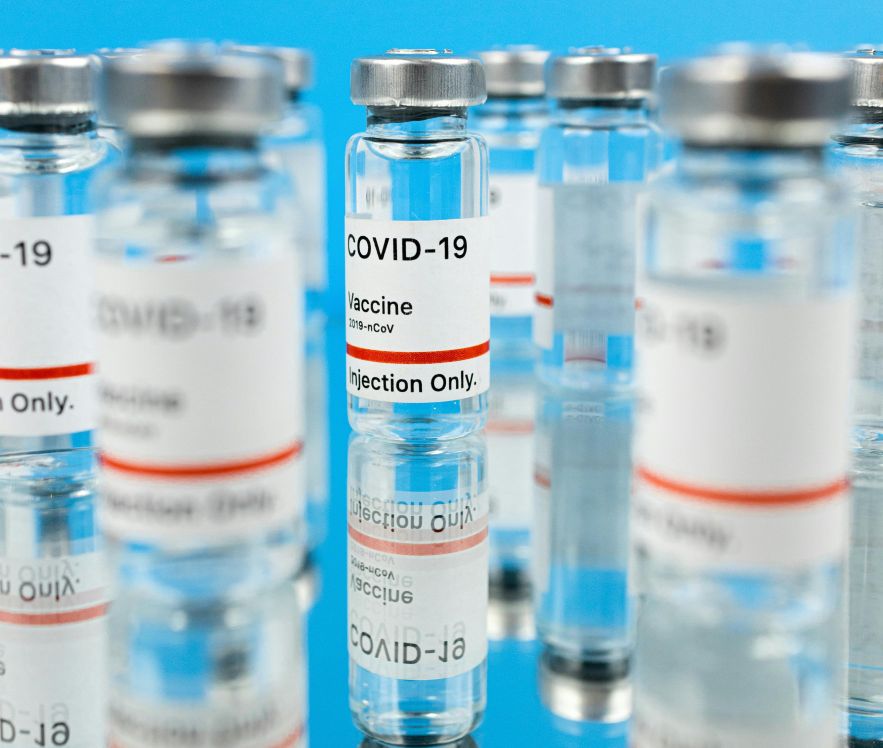
In addition, the provision of Article 5 of the European Regulation (based on the principle of loyal cooperation) is not applicable to those cases in which the information is held by a Member State but originates in an institution of the Union because, in this case, the agreement on the donation or resale of vaccines was “the result of autonomous negotiation” between the Spanish and Andorran authorities, outside the European Commission.
Therefore, the judgment concludes, access to information has to be resolved by applying national regulations, and, in this case, the Spanish Agency for Medicines and Health Products. (AEMPS) It has not sufficiently justified the concurrence of the limit of Art. 14.1.k) LTAIBG - the guarantee of confidentiality or the secrecy required in decision-making processes -, which has a limited temporal scope, with no impact on access in the negotiation process once the agreement has been reached.
Nor has the limit of art. 14.1.c) LTAIBG - damage to external relations - therefore, the judgment highlights, "The intervention of a third State in the elaboration of a convention does not imply that its content should be secret or that the information relating to it can be denied by invoking generically the possible damage to external relations..."